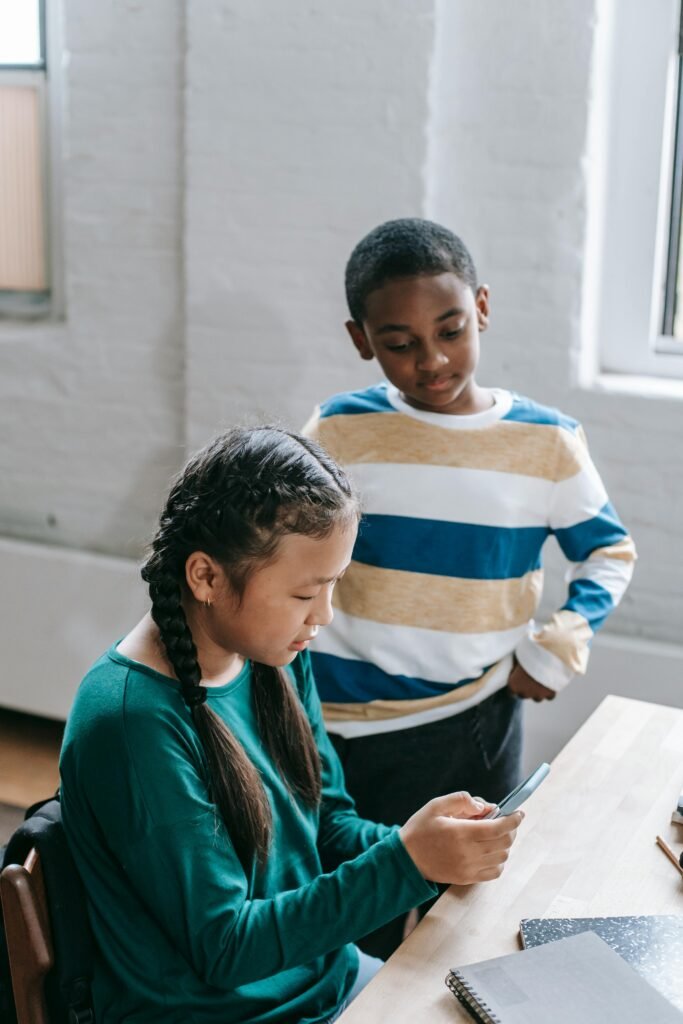
The traditional “one-size-fits-all” education system was built for a different era, often overlooking the unique needs of diverse, local communities
For decades, the traditional educational system has struggled to provide the safety, affirmation, and academic rigor that Black students deserve. While Black families are the fastest-growing demographic in the alternative education space, the visionary leaders who serve them are facing a new set of hurdles.
The Current Reality
The Resource Gap: As legacy support systems for specialized community initiatives are being scaled back, Black-led microschools are often left without a dedicated support system.
The Regulatory Squeeze: Community-led schools are increasingly caught between “one-size-fits-all” mandates and a lack of advocacy that protects their unique, high-touch models.
The Power of Proximity: Innovation is happening at the local level, but without a way to unify these voices, the impact remains fragmented.
When a community owns its education, it owns its future.
The National Association of Black Microschool Leaders (NABML) is the national hub for the movement. We believe that when a community owns its education, it owns its future.
We serve as the central point for connection and growth, providing the professional training, network, and policy education that our founders deserve. We don’t just advocate for a seat at the table; we are building a new one.
By unifying the fastest-growing educational demographic in America, we transform local innovation into a national powerhouse.
The “one-size-fits-all” factory model of education was built for a different century. Today’s students require environments that are as agile and diverse as the world they will inherit. Microschools are the solution—not because they are small, but because they are intentional.
By operating on a human scale (typically 5 to 50 students), microschools offer a level of flexibility and responsiveness that large systems simply cannot replicate.
Microschools can pivot their curriculum in real-time to meet the specific interests and academic needs of their students. Whether it’s AI-driven tech, agricultural science, or deep cultural immersion, the learning is tailored, not standardized.
In a microschool, every student is seen, known, and protected. This “radical visibility” is the antidote to the anonymity and systemic bias often found in larger institutions, creating a sanctuary for student mental health and identity development.
Because they are community-led, these schools serve as local hubs. They utilize the neighborhood as a classroom—partnering with local businesses, libraries, and experts—to ensure that education isn’t just about a textbook, but about the real-world ecosystem surrounding the student.
Microschools serve as “Innovation Labs.” Because they aren’t bogged down by the bureaucracy of large districts, they are the first to pilot the future-focused learning models that will eventually define the next generation of global education.
At NABML, microschools are not just an alternative—they are the
blueprint for community-led ownership.
We train founders to be high-level executives, moving beyond “running a classroom” to “leading a sustainable institution.”
We support schools that are rigorous, future-focused, and designed to prepare students for the world of tomorrow.
We ensure that educational resources stay in the neighborhood, creating local jobs and strengthening the local economy.
We protect the movement by ensuring our leaders have a seat at the table where the most important policy decisions are made.